The History of the Polar Bear Alert Program
The Polar Bear Alert Program (PBA) has played a critical role in managing human-polar bear interactions in Churchill, Manitoba. This initiative, steeped in history, reflects the community’s commitment to safety and coexistence with these majestic Arctic predators.
Why the Program Began
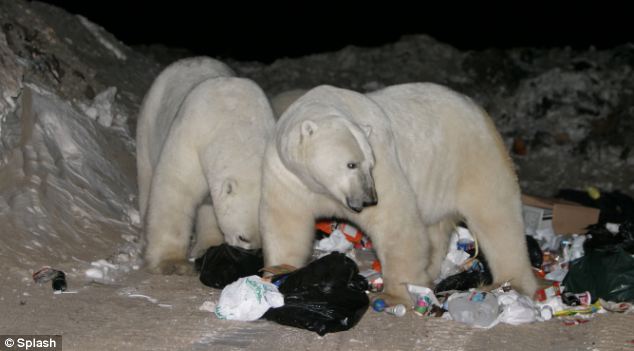
The Polar Bear Alert Program was created in response to an increasing number of polar bears frequenting the Churchill area. As a gateway to the Arctic, Churchill’s proximity to polar bear habitats posed unique for both residents and wildlife, necessitating a structured response to ensure the safety of all involved.
The Early Days: 1969 to 1983
The program began in 1969 under the name “Polar Bear Control Program.” Its early efforts focused on reducing human-bear conflicts through monitoring and deterrent measures.
In 1978, the program took on a new identity as the “Polar Bear Alert” initiative. This name change coincided with the introduction of fluorescent orange “Polar Bear Alert” signs, which were placed in high-risk areas, such as the rocks behind the main town complex. Additionally, a dedicated phone line was established for residents to report polar bear sightings. Over the years, the term “Polar Bear Alert” gained widespread recognition, and by 1983, the entire program officially adopted this name.
The Polar Bear Holding Facility
A significant milestone in the program’s challenges history was the development of the Polar Bear Holding Facility. Originally built in the 1950s as storage building “D-20” at the Fort Churchill Military Base, it was acquired by the Manitoba provincial government in 1979. Construction of holding cells began shortly thereafter, and the facility first held polar bears in 1981. By 1982, it became fully operational, providing a humane and effective way to manage polar bears that ventured too close to the town.
Encounters and Challenges
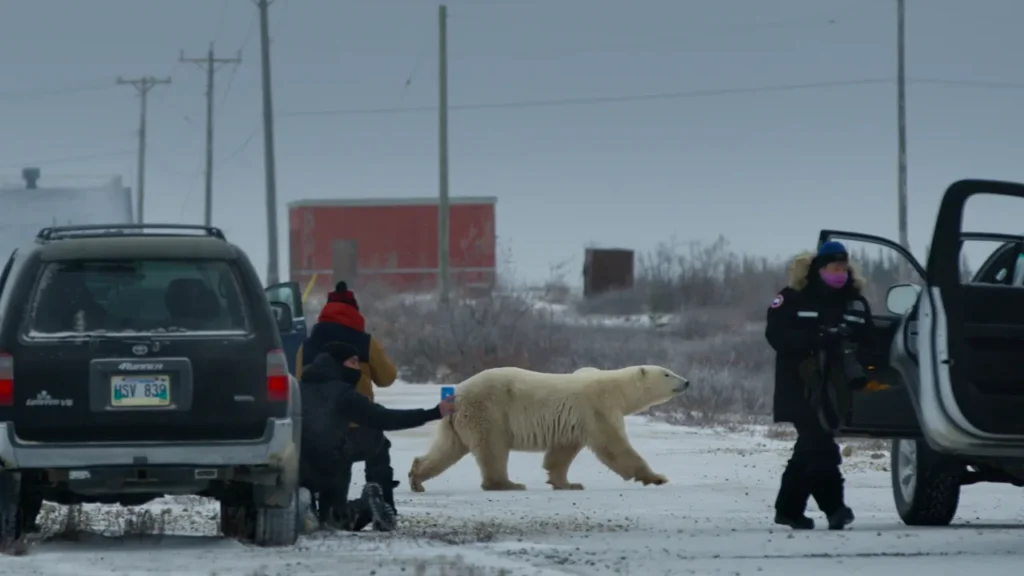
Despite the program’s proactive measures, polar bear encounters remain a reality for the residents of Churchill. Since its inception, there have been two fatalities due to polar bear attacks: one in 1968, just before the program’s official launch, and another in 1983. Close encounters occur almost annually, and in some instances, polar bears are shot in self-defense. The most recent serious incident occurred in 2013 when two individuals were injured during an attack.
A Legacy of Coexistence
Over the decades, the Polar Bear Alert Program has evolved into a cornerstone of Churchill’s community and wildlife management strategy. By combining public awareness, advanced facilities, and a commitment to safety, the program ensures that both humans and polar bears can coexist in this unique Arctic region.